Fear Free Cat Boarding: What It Means and Why It Matters for Your Cat
By Charlotte Ang · Founder
Fear Free certification is a reassuring standard for cat boarding facilities in Singapore. Here's what the term encompasses and its practical significance for pet owners selecting boarding services.
What Is Fear Free Certification?
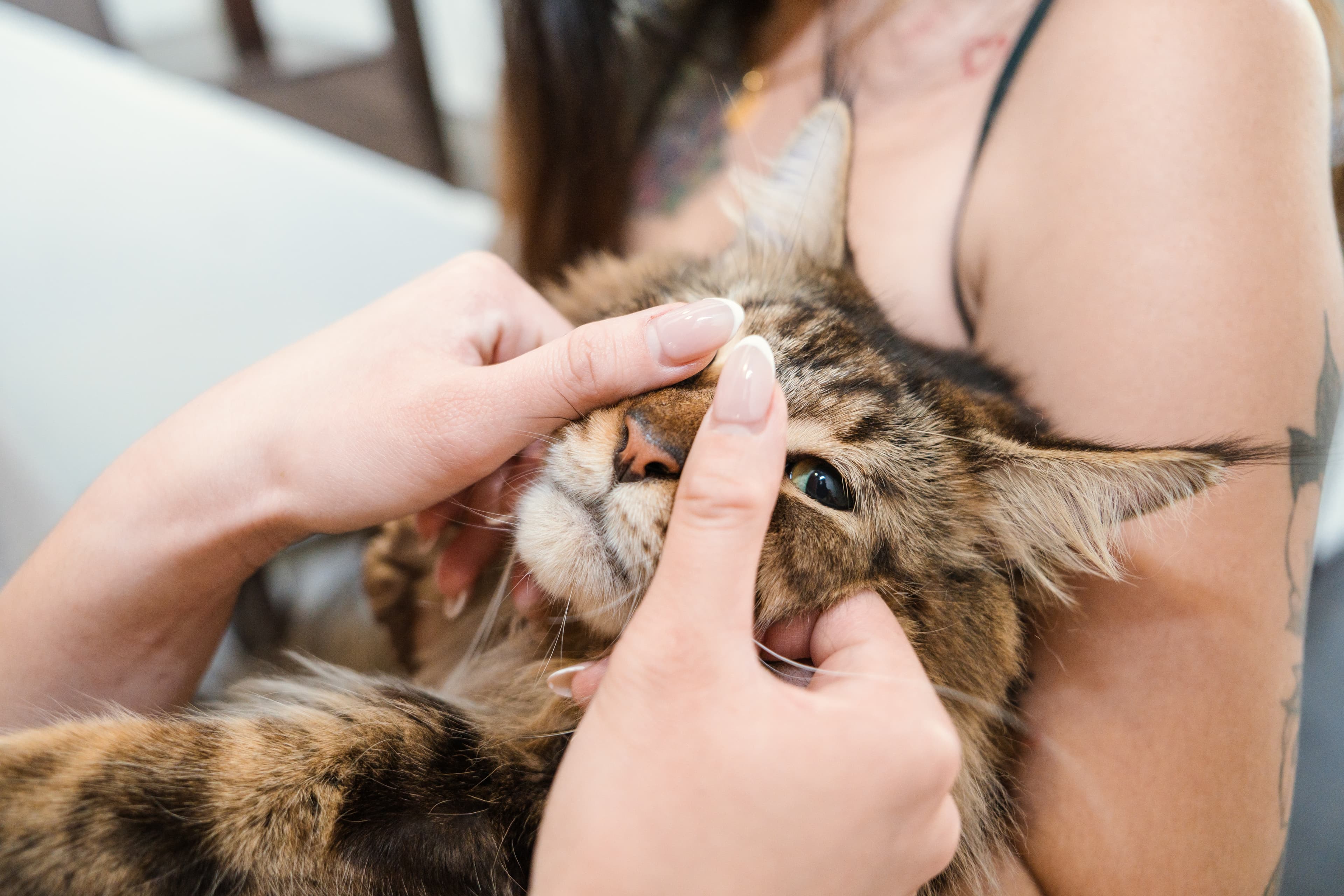
Fear Free is an international education and certification programme developed by veterinary professionals, focused on minimizing fear and anxiety during animal handling across veterinary clinics, grooming salons, and boarding facilities.
Certified professionals complete coursework covering:
- The science of fear and stress responses in cats and dogs
- Reading feline body language and identifying stress signals
- Low-stress handling and restraint techniques
- Environmental design that reduces anxiety (lighting, scent, sound, layout)
- De-escalation protocols for frightened animals
- Protocols for cats with prior negative handling experiences
Certification requires ongoing continuing education.
Why Was Fear Free Developed?
The programme emerged to address how many animals experience genuine fear in veterinary and boarding settings, previously overlooked as an unavoidable concern. Research demonstrated that stress produces measurable physiological effects: elevated cortisol suppresses immune function, disrupts appetite and digestion, and can trigger defensive aggression.
Practical Implementation in Cat Boarding
Arrival: Fear Free teams manage the transition unhurriedly, allowing cats to exit carriers independently without unnecessary physical restraint.
During Stay: Staff recognize subtle stress indicators: whisker position, tail carriage, dilated pupils, and breathing changes, before visible distress occurs. Environments incorporate pheromone diffusers like Feliway, low-scent cleaning products, and controlled lighting to create calming conditions.
Fear Free vs. Standard Boarding
| Aspect | Fear Free | Standard | |--------|-----------|----------| | Handling approach | Low-force, consent-based | Variable | | Stress monitoring | Structured daily observation | Ad hoc | | Environmental design | Pheromones, controlled lighting, sound management | Not typically addressed | | Staff education | Continuing education required | None required | | Arrival protocol | Unhurried, cat-led | Efficient but not necessarily calm | | Distressed cat plans | Documented with owner communication | Typically absent |
Does It Make a Real Difference?
Fear Free boarding produces measurable outcomes, particularly for anxious cats or those boarding for the first time. Cats from high-stress environments often exhibit problematic post-boarding behavior (hiding, appetite loss, over-grooming). Cats from low-stress facilities typically return to normal behavior quickly, eating normally and resuming routines.
Questions to Ask Potential Cat Hotels
- Which staff members specifically hold Fear Free certification?
- What is your protocol when a cat stops eating?
- How do you handle defensive or aggressive cats during cleaning?
- What environmental anxiety-reduction measures exist on arrival?
- How do you communicate stress events to owners?