Fear Free Cat Boarding: What It Means and Why It Matters for Your Cat
Discover fear-free certified cat boarding at Kuro Cat Hotel, Singapore. A sanctuary where your cat's comfort and calm come first.
By Charlotte · Founder••4 min read
"Fear Free" is one of those industry terms that sounds like marketing until you watch a cat refuse to leave a carrier. The first month Kuro lived with me, I couldn't lift him without him going flat and unreachable. A decade and a lot of cats later, I run a boarding floor where every handover is cat-led, not clock-led. Here's what the Fear Free certification actually asks of a boarding team, and the parts owners in Singapore should be checking for.
What Is Fear Free Certification?
Veterinary professionals built Fear Free, an international education and certification programme, to cut fear and anxiety during animal handling in veterinary clinics, grooming salons, and boarding facilities alike.
The science of fear and stress responses in cats and dogs
Reading feline body language and identifying stress signals
Low-stress handling and restraint techniques
Environmental design that reduces anxiety (lighting, scent, sound, layout)
De-escalation protocols for frightened animals
Protocols for cats with prior negative handling experiences
Certification requires continuing education to stay valid.
Why Was Fear Free Developed?
Fear Free exists because so many animals feel genuine fear in veterinary and boarding settings, something the industry long treated as unavoidable. The veterinary data is now uncomfortable to ignore: sustained cortisol suppresses immune function, disrupts appetite and digestion, and can trigger defensive aggression. In a short boarding stay, that means a cat who stops eating, hides for two days, and comes home a different animal for a week.
Practical Implementation in Cat Boarding
Arrival: Fear Free teams do not rush the transition. Cats exit the carrier on their own, without unnecessary physical restraint.
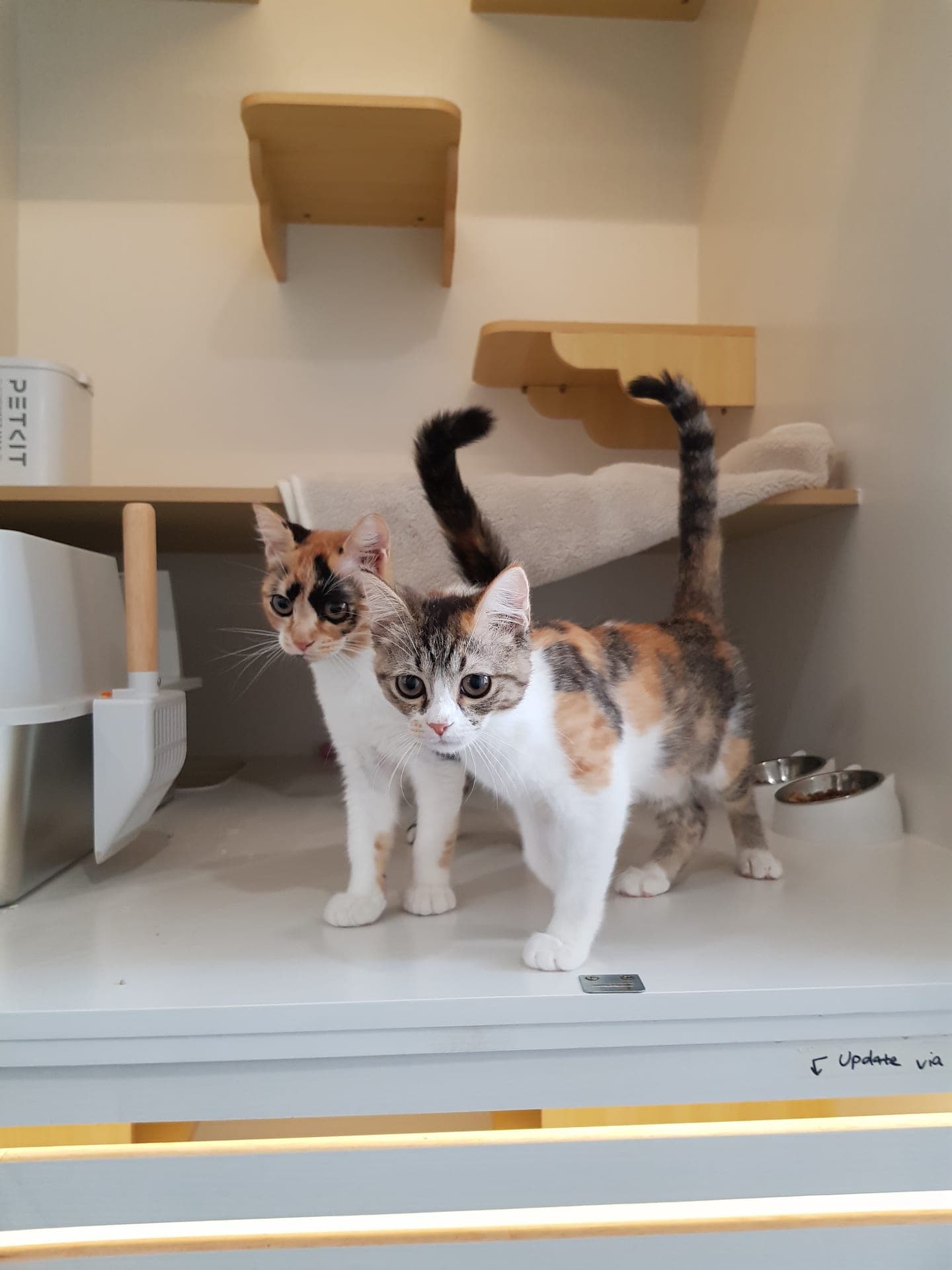
During Stay: Staff recognise subtle stress indicators: whisker position, tail carriage, dilated pupils, and breathing changes, before visible distress occurs. Rooms are set up to keep things calm: pheromone diffusers like Feliway, low-scent cleaning products, and controlled lighting. (If you want to see how we set up the room physically, our private suites are built around this.)
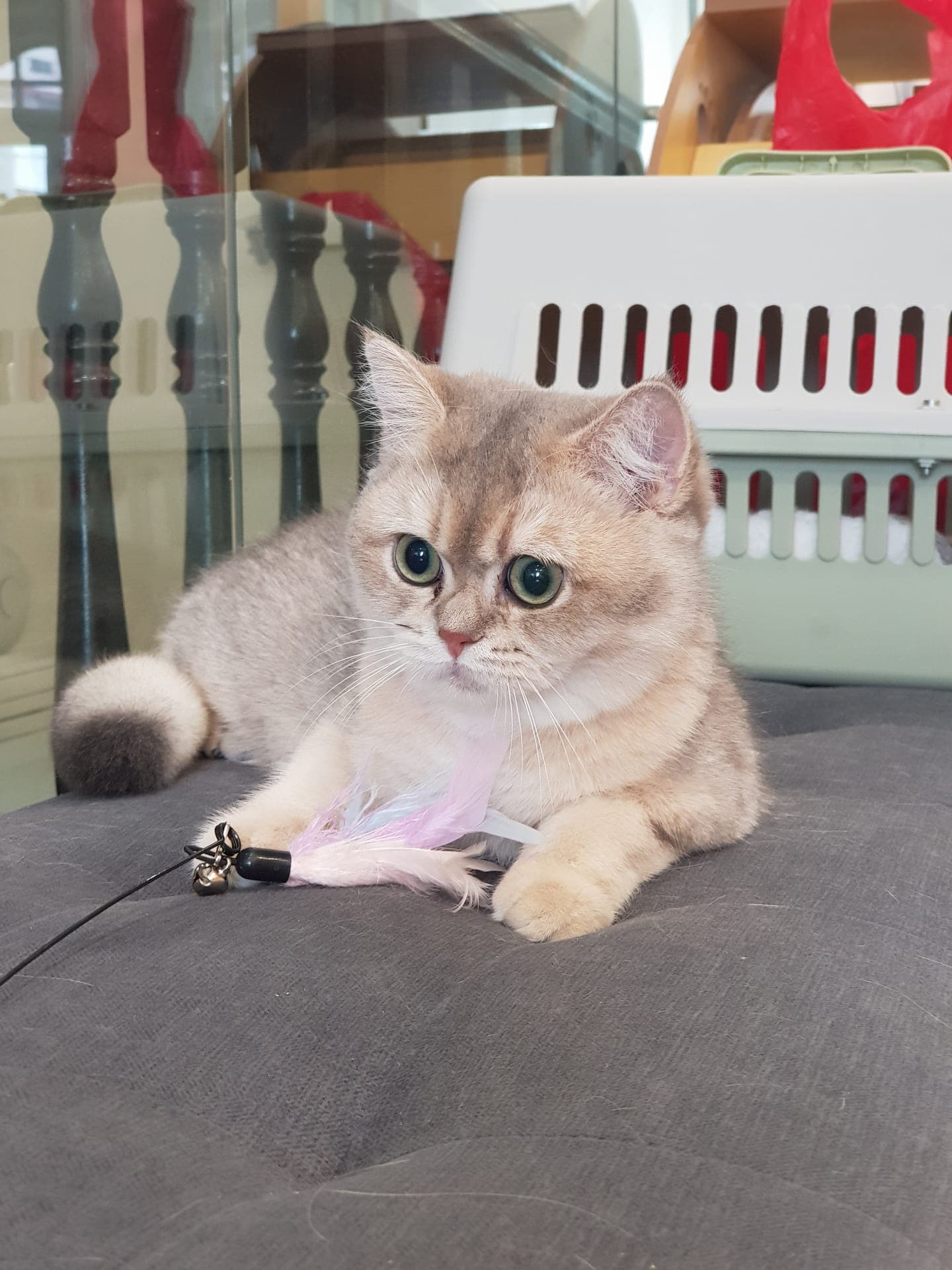
Play on the cat's terms: a guest decides how much feather is enough. Unhurried sessions are part of the Fear Free approach.
Fear Free vs. Standard Boarding
Aspect
Fear Free
Standard
Handling approach
Low-force, consent-based
Variable
Stress monitoring
Structured daily observation
Ad hoc
Environmental design
Pheromones, controlled lighting, sound management
Not typically addressed
Staff education
Continuing education required
None required
Arrival protocol
Unhurried, cat-led
Efficient but not necessarily calm
Distressed cat plans
Documented with owner communication
Typically absent
Does It Make a Real Difference?
Yes, particularly for anxious cats or first-time boarders. Cats from high-stress environments often come home with visible carry-over behaviour: hiding, appetite loss, over-grooming. Cats from low-stress facilities typically return to normal within a day, eating and resuming routines. If your cat is boarding for the first time, our prep checklist covers what to do in the two weeks before. The same carry-over turns up in cats who stayed home through a renovation, where the noise and the strangers run for weeks rather than days.
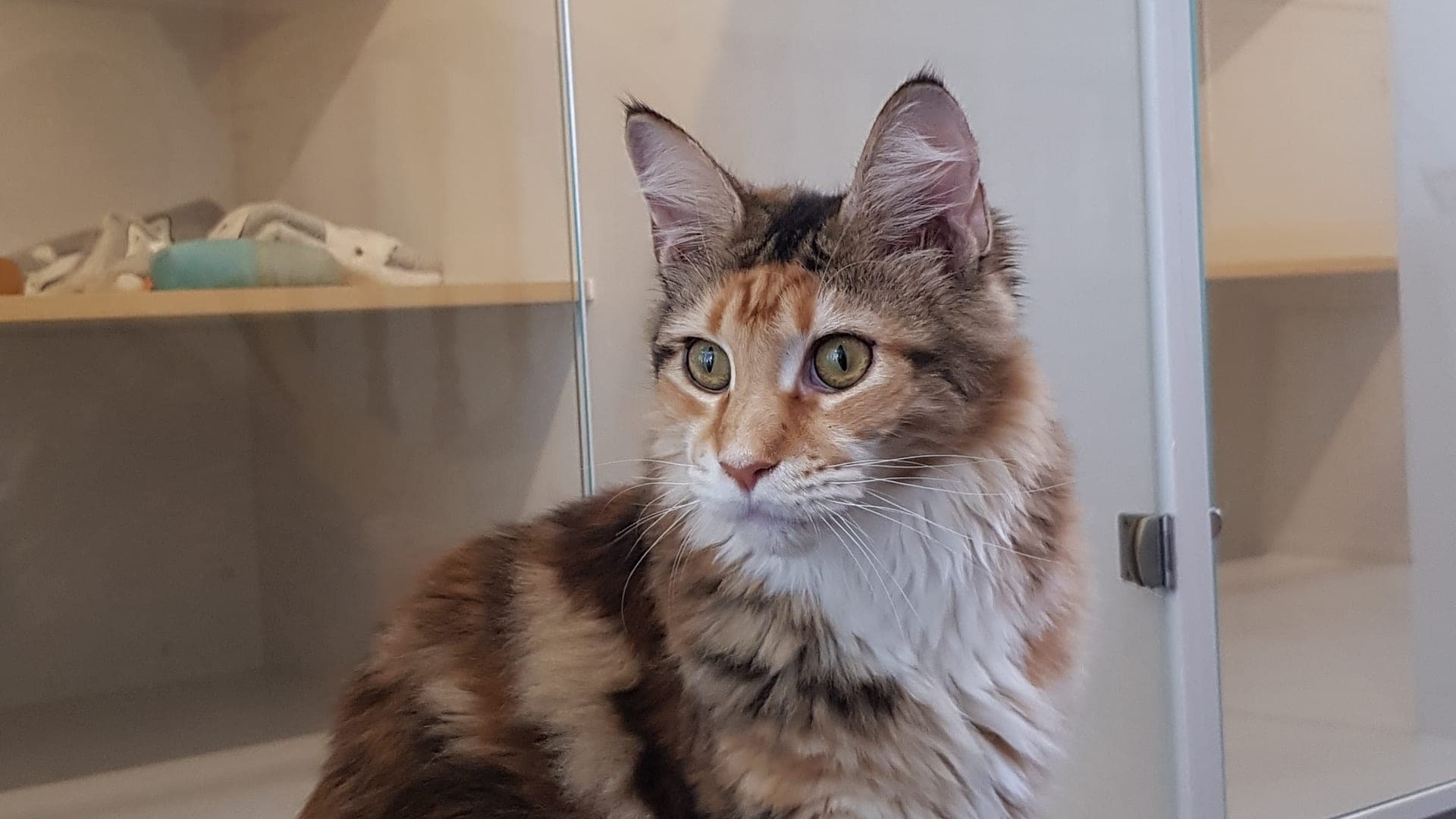
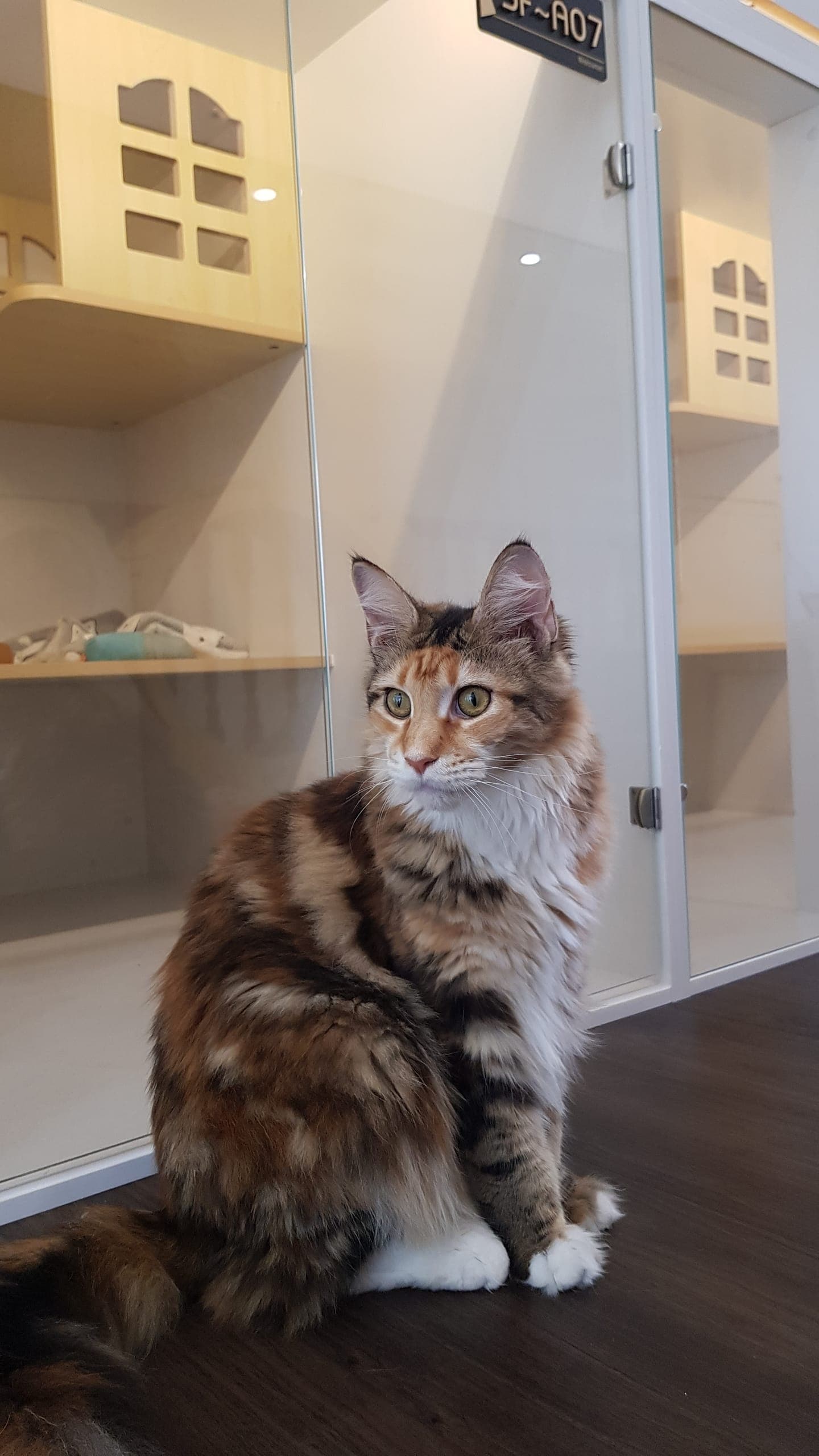
Loose posture, tail down, choosing to sit in the open: the body language of a cat that isn't spending its stay in survival mode.
Frequently Asked Questions
1Which staff members specifically hold Fear Free certification?▼
At Kuro Cat Hotel, the founder and primary caregivers are Fear Free certified, and certification is maintained through ongoing continuing education. Ask any facility to name the certified staff rather than accepting a generic claim.
2What is your protocol when a cat stops eating?▼
A structured protocol starts with documenting the change, adjusting food and feeding environment, and contacting the owner early. Appetite loss is a primary stress indicator in cats and should prompt immediate action rather than a wait-and-see approach.
3How do you handle defensive or aggressive cats during cleaning?▼
Fear Free teams use low-force, consent-based handling: cats are given time and space rather than restrained, and cleaning routines are timed around each cat's comfort. Distressed cats have documented care plans with owner communication built in.
4What environmental anxiety-reduction measures exist on arrival?▼
Arrivals are managed unhurriedly so cats can exit their carriers on their own terms. Calming measures include pheromone diffusers such as Feliway, low-scent cleaning products, controlled lighting, and sound management within the boarding space.
5How do you communicate stress events to owners?▼
Staff track subtle stress indicators daily (whisker position, tail carriage, dilated pupils, breathing changes) and notify owners when a cat's behaviour shifts meaningfully. You should expect proactive updates rather than only receiving news at checkout.